
What are the Best Greenhouse Features for Small to Medium Vegetable Farming in Canada?
If you’re looking to start or improve vegetable farming in Canada, you may be wondering what greenhouse features are worth the investment. If you’re running a small to medium-sized vegetable farm, the answer is a practical one. The best greenhouse for vegetable farming in Canada is one that withstands the climate, supports consistent growing conditions, and fits the way your farm operates day to day.
Before we get into details, this isn’t about pushing a specific product. It’s about helping you understand what matters most so you can make a confident, informed decision. In the sections below, you’ll see what greenhouse features have the biggest impact on performance, efficiency, and long-term value for vegetable growing.
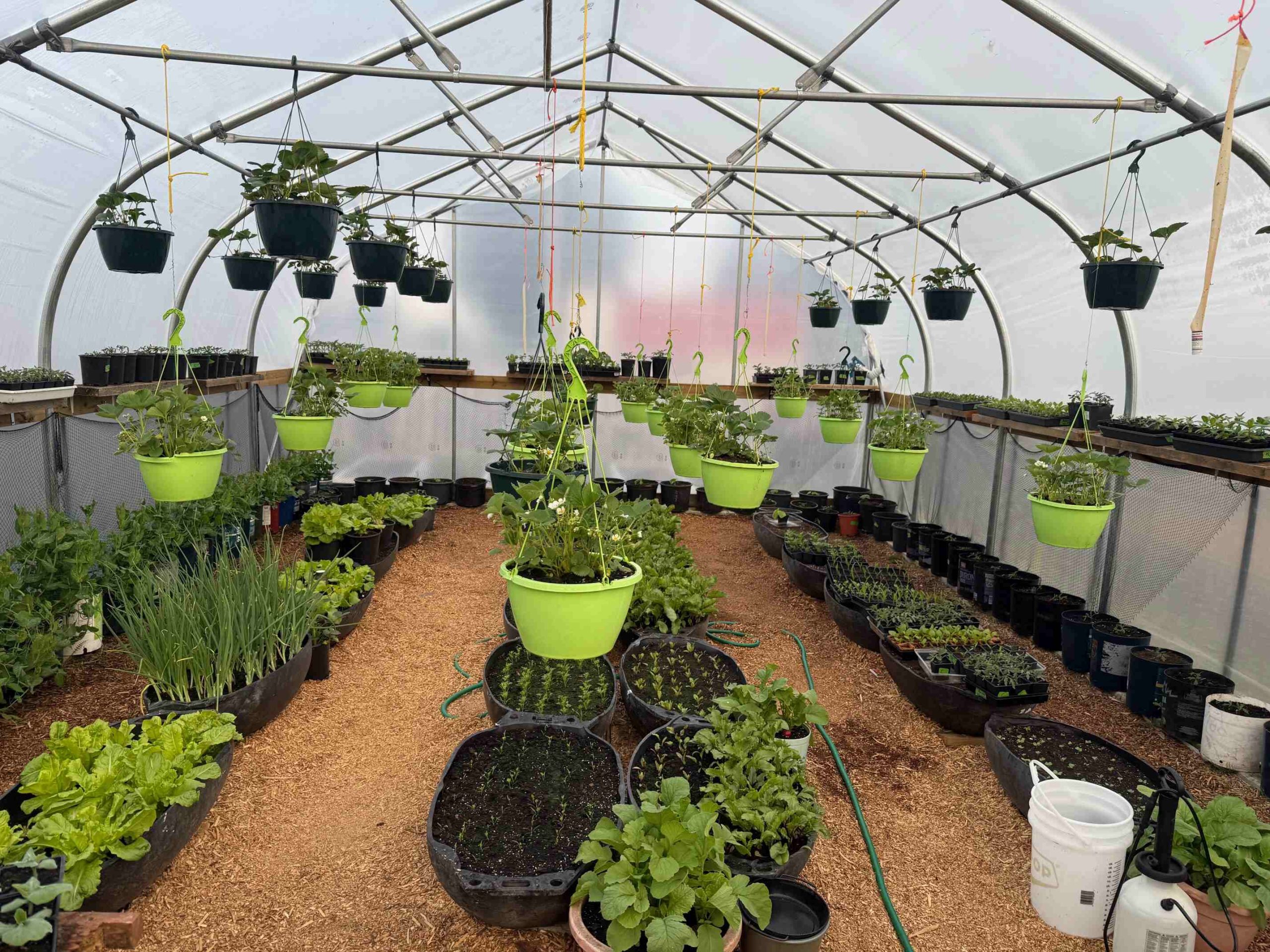
What Structural Features Matter Most in a Greenhouse for Vegetable Farming in Canada?
Why is frame strength so important?
When you’re choosing a greenhouse for vegetable farming in Canada, structural strength is not a “nice to have”. It’s the foundation of a durable greenhouse that will allow you to grow reliably. Depending on where you are, Canadian winters bring heavy snow loads, strong winds, and frequent temperature changes. A weak or lightweight structure may work for a season or two, but it will struggle under real conditions.
A properly engineered steel frame offers the durability needed to withstand these pressures over time. High-quality North American steel resists bending, shifting, and long-term fatigue, which protects both your vegetables and your greenhouse investment.
What type of greenhouse structure works best for vegetable farms?
The best greenhouse for vegetable farming in Canada is not necessarily the largest one. It’s the one that fits your current operation and allows for growth. Most small and medium farms benefit from single-span or multi-bay structures that provide flexibility without overcomplicating the layout.
High-clearance interiors are valuable because they improve airflow and give you more options for crop types and equipment. Another important feature is modular design, which lets you expand your greenhouse as your farm grows without having to start over or replace your entire structure.
How Important is Ventilation in a Greenhouse for Vegetable Farming in Canada?
What happens without proper airflow?
Ventilation is one of the most overlooked aspects of greenhouse design, yet it has a direct impact on crop health. Without proper airflow, heat can build up quickly, even in colder climates. This can also cause humidity levels to rise, creating the perfect environment for pests and disease issues.
A greenhouse for vegetable farming must be able to regulate temperature and moisture consistently. Without that balance, you risk uneven growth, reduced yields, and ongoing management challenges.
What ventilation features should you look for?
Effective ventilation comes from a combination of design elements rather than a single feature. Appropriately sized exhaust and circulation fans, roll-up sides, automatically adjusting vents, and roof ventilation all play a role in maintaining airflow.
The layout of the greenhouse itself also matters, as spacing and orientation influence how air moves through the structure. A well-designed system works with natural airflow patterns instead of relying entirely on mechanical solutions. This creates a more energy-efficient greenhouse and reduces the need for constant adjustments.
What Covering Materials are Best for a Greenhouse for Vegetable Farming in Canada?
Why does light quality matter?
When people think about greenhouse coverings, they often focus on durability, but light quality is just as important. Plants require consistent, diffused light to grow evenly and efficiently. Harsh or uneven lighting can lead to inconsistent vegetable growth and lower overall productivity. The right covering helps distribute light across the entire growing area, supporting healthier plants and more predictable results.
What materials should you consider?
For vegetable farming in Canada, polyethylene film is a common choice because it offers flexibility and cost-effectiveness. Multi-layer coverings are another option, providing improved insulation and durability, which is especially important in colder regions.
UV-resistant materials are also important, as they extend the lifespan of the covering and maintain performance over the long haul. Choosing the right material is about balancing light quality, durability, and energy efficiency.
How Do You Manage Temperature in a Greenhouse for Vegetable Farming in Canada?
Why is insulation critical?
Temperature control is one of the biggest challenges in Canadian greenhouse operations. Without proper insulation, heat loss during colder months can drive up energy costs and create unstable growing conditions.
Insulation helps you maintain stable temperatures, which supports vegetable health and reduces the need for constant heating adjustments.
What features improve heat retention?
A well-designed greenhouse doesn’t just generate heat; It’s built to retain it, too, which makes a significant difference in both performance and operating costs. Sealed structures are important to prevent drafts and minimize unnecessary energy loss.
Double-layer coverings with inflation fans are one of the most effective ways to improve insulation in a greenhouse. They create a buffer that reduces heat loss and helps maintain a stable internal environment.
How Important is Scalability in a Greenhouse for Vegetable Farming?
Why should you plan for growth?
Enhancing local food security has never been more important, and many small and medium farms are expanding over time. Your greenhouse design should support that growth. If your structure is not designed to scale, you may find yourself replacing it sooner than expected, which disrupts operations and increases costs. If you plan for growth from the beginning, you can build in phases and easily adapt as your needs change.
What makes a greenhouse scalable?
A scalable greenhouse is built with possible expansion in mind. Modular designs make it easier to add new sections without compromising the integrity of the existing structure. Consistent framing systems simplify the process by ensuring that lengthwise additions integrate smoothly.
This is where custom greenhouse solutions are worth pursuing. Slip Tube designs greenhouses that can evolve alongside your farm, helping you protect your investment over the long term.
Do You Need Automation in a Greenhouse for Vegetable Farming in Canada?
What role does automation play?
While automation can improve efficiency, it should be used thoughtfully. For most small and medium farms, your goal is to simplify operations without creating unnecessary complexity.
The right systems help reduce manual work and improve consistency, which allows you to focus more on production and less on constant adjustments.
What automatic systems are worth considering for a greenhouse?
Temperature and humidity monitoring systems are a good starting point, as they provide valuable insights into your growing environment. Automated ventilation controls can also help maintain consistent conditions without constant oversight.
Irrigation systems are another addition you may want to consider for greenhouse growing of vegetables. This way, you can ensure crops receive the right amount of water at the right time.
Why Does Custom Design Matter for Vegetable Farming Greenhouses?
What are the risks of standard greenhouse kits?
Standard greenhouse kits are often designed for general use, which means they may not perform well in specific Canadian conditions. They typically don’t account for regional snow loads, wind exposure, and other site-specific factors.
What does a custom greenhouse provide?
A custom greenhouse is designed around your specific needs and environment. It takes into account your location, your crops, and how you operate your farm. A customized solution performs more reliably and delivers better long-term value.
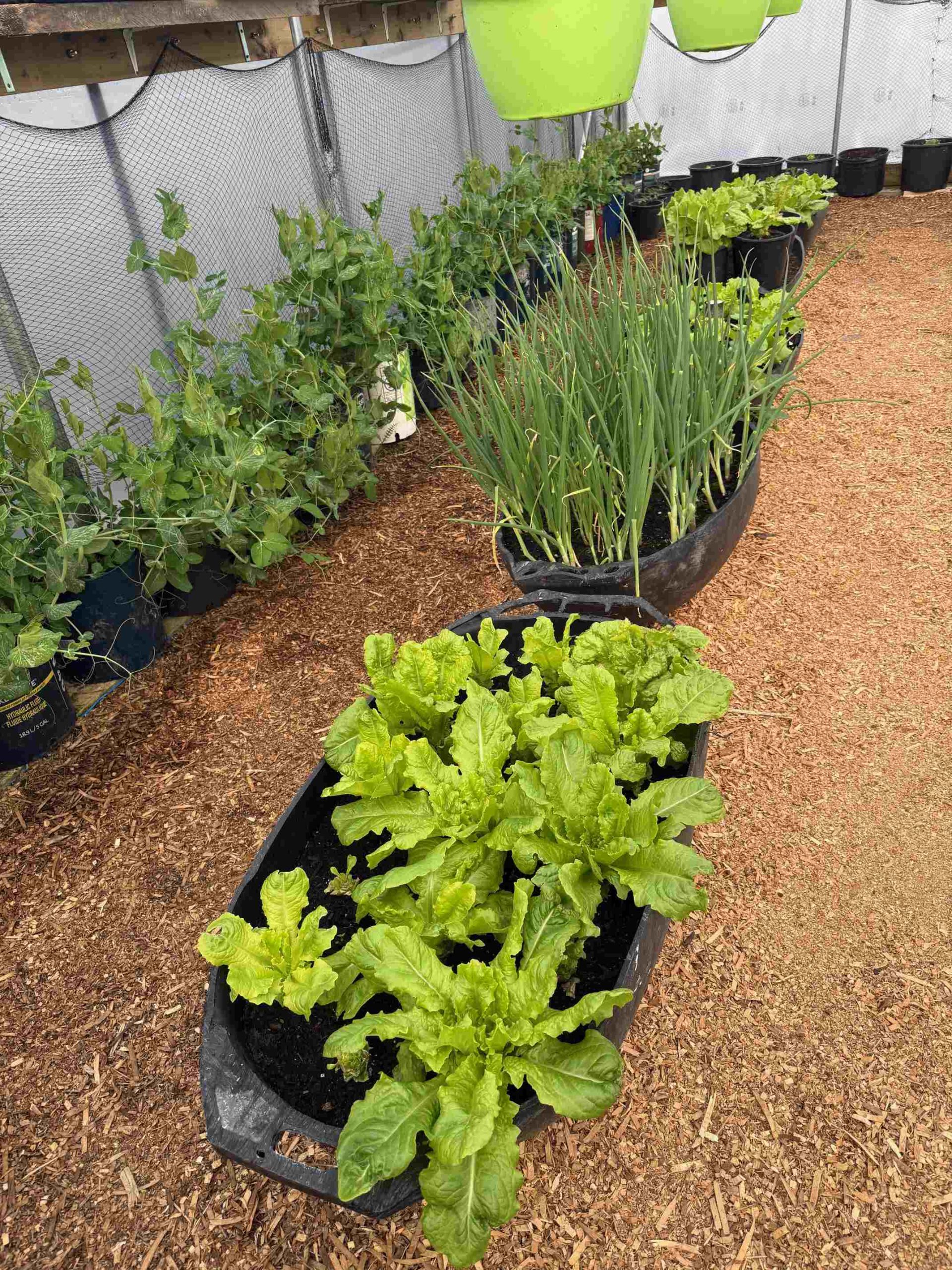
Get the Best Greenhouse for Vegetable Farming in Canada
The best greenhouse solution for small and medium vegetable farmers in Canada combines strong structure, effective climate control, high-quality materials, and the ability to scale with your operation.
Your greenhouse is a critical part of your farm’s success. The right features can improve yield, reduce costs, and make your work more efficient. If you’re planning your next greenhouse, take the time to compare designs and understand how different features perform in Canadian conditions.
Slip Tube works with small and medium vegetable growers to design greenhouses that match their conditions and goals, helping ensure that the structure supports both productivity and durability. Contact us today for guidance on how to achieve your vegetable-growing goals.