
How to Reduce Energy Costs: 7 Tips for Energy-Efficient Greenhouses
Running a commercial greenhouse involves a significant investment in crops, equipment, and climate control. Whether you grow vegetables, nursery plants, or flowers, one of the biggest ongoing challenges is keeping operational costs manageable while maintaining optimal growth conditions.
At Slip Tube, we understand that running energy-efficient greenhouses isn’t just about saving money. It’s also necessary for building sustainable agriculture systems that ensure we have food production for every season, contributing to improving food security in Canada. From ventilation and insulation to design choice, there are many ways to improve your greenhouse’s performance without compromising productivity.
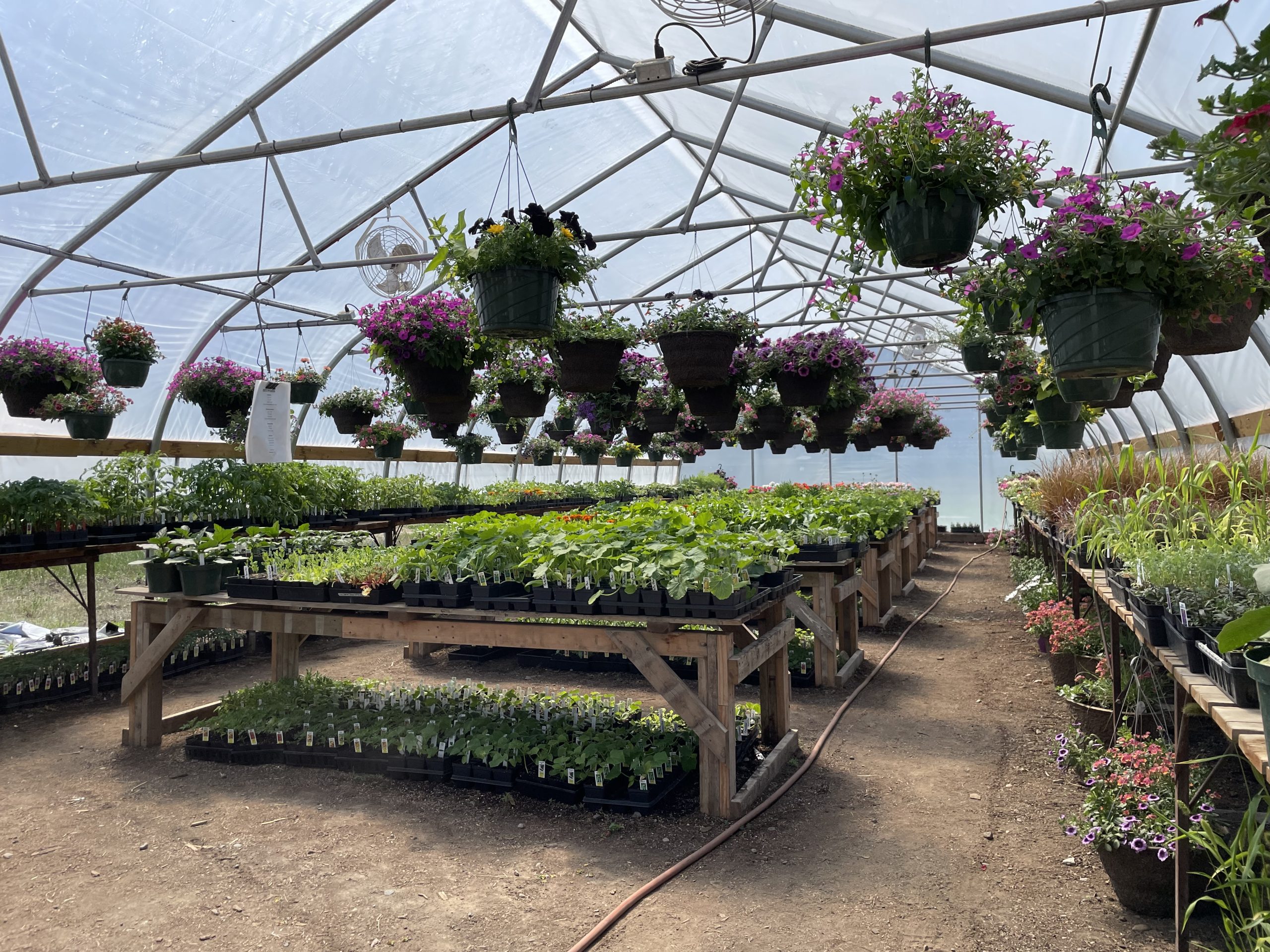
7 Tips for Creating Energy-Efficient Greenhouses
Here are a few tangible ways to reduce energy costs in large-scale greenhouses, and how polyethylene structures can make a measurable difference.
Choose the Right Greenhouse Structure for Energy Efficiency
The structure of your greenhouse plays an important role in how much energy it consumes. Traditional glass greenhouses, while attractive, often lose more heat and require more mechanical control systems to regulate temperature.
Double-layer polyethylene covered greenhouses, on the other hand, are more energy-efficient due to their flexible, insulating design. The polyethylene material provides a thermal barrier that helps stabilize internal temperatures, reducing the need for excessive heating in the winter and cooling in the summer. The air pocket between the layers, which is inflated with a small fan, serves as an insulation barrier with an R value of around 2-4.
Maximize Natural Light and Control it Smartly
Lighting is essential for plant growth, but managing how light enters your greenhouse can significantly impact energy costs. Sunlight is free, but too much can lead to overheating and scorching. However, too little sunlight increases the need for supplemental lighting.
Poly covered greenhouses have the advantage of evenly diffusing light across the growing area. This helps plants photosynthesize more efficiently without the intense hotspots that can occur under glass. By managing sunlight effectively, you can reduce both artificial lighting and cooling demands, which can offer a significant reduction in energy costs for large-scale operations.

Pro-tip: To get the most from natural light, position greenhouses East-West for maximum sun exposure. Keep the coverings clean by removing dust and condensation to ensure light can get through, and use roll-up sides or shade cloths to control excess light in the summer.
Improve Insulation and Air Sealing for More Energy-Efficient Greenhouses
Heat loss can drain your energy budget faster than you think in colder months. Every unsealed gap or poorly insulated corner forces your heating systems to work harder. Proper tensioning of the film and sealing around the doors, vents, and frame connections is a must. Slip Tube’s greenhouses are designed for tight, secure fit that minimizes heat loss and wind penetration.
Pro tip: For maximum greenhouse efficiency, consider a double-layer polyethylene cover with an air pocket between the layers. This type of setup offers insulation that significantly lowers heat loss, particularly important as we head into the winter season.
Upgrade to Energy-Efficient Heating Systems
Heating is often the largest single energy expense in greenhouse operations, especially in colder areas of BC. Consider using modern, high-efficiency heaters that distribute warmth evenly and reduce wasted energy. Renewable heating options include solar-assisted heating systems and biomass boilers that use wood chips or agricultural waste to produce heat.
Pro-tip: For greenhouses that rely on forced-air systems, use a heat tube to distribute heat the length of the greenhouse, and make sure the heat tubes are clean and well-sealed to avoid heat loss.
Improve Ventilation and Air Circulation for Energy-Efficient Greenhouses
Adequate ventilation regulates more than just temperature; it’s necessary to control humidity, which affects plant transpiration and disease risk. Poorly designed fans can consume more energy than they should. If mechanical fans are necessary, ensure they are sized properly for your greenhouse’s cubic footage, and consider automatic controls tied to temperature and humidity sensors.

Pro-tip: Integrate structural ventilation features like roll-up sides, vents, and strategically placed openings that promote passive air exchange. By using natural airflow to your advantage, you can reduce reliance on powered ventilation systems.
Energy-Efficient Greenhouses Use Smart Controls and Monitoring
Automation can be a game-changer for large-scale greenhouse management. Smart climate control systems monitor temperature, humidity, and carbon dioxide levels in real time, automatically adjusting vents, fans, and heaters as needed.
This type of precision control prevents wasted energy and keeps growing conditions consistent, which leads to better quality produce and cost savings! Not to mention more flexibility due to not needing constant manual adjustments by greenhouse workers.
Pro-tip: If you’re not ready to go all-in on full climate control, basic upgrades like programmable thermostats or simple time-based ventilation controls can still make a difference!
Maintain and Monitor Your Energy-Efficient Greenhouses Regularly
Like any system, a greenhouse performs best when it is carefully maintained. Regular inspections of your greenhouse structure, poly covering, ventilation systems, and more can help identify small problems before they lead to costly inefficiencies.
Be on the lookout for tears or punctures in the greenhouse covers, leaky seals or frames, dust build-up on fans and heaters, and malfunctioning sensors or thermostats. With proper care, polyethylene structures can last for many years.
Pro-tip: Schedule regular inspections and maintenance so that you are being proactive rather than waiting for something to go wrong. Prioritize a thorough inspection before each change of season to ensure your structures are ready for temperature fluctuations.
Slip Tube is Here to Help With Energy-Efficient Greenhouses
Our skilled team has been designing and supplying durable, energy-efficient greenhouses and shelter solutions across Western Canada and beyond for decades. Our structures can be designed and engineered for year-round performance, from the heat of summer to the frost of winter (including being designed to handle heavy snow loading), and can be customized for any agricultural needs.
With a focus on high-quality materials, efficient design, and easy maintenance, we help growers reduce operational costs, extend growing seasons, and operate more sustainably. Slip Tube greenhouses are designed for long-term durability. With proper care, these greenhouses will provide a return on investment through both longevity and energy savings.
Whether you’re building a new commercial greenhouse or upgrading an existing one, we can help you create an energy-efficient greenhouse that’s both cost-effective and climate-resilient. Contact us today for a quote.